For more than two decades, Search Engine Optimization (SEO) has revolved around one primary goal: ranking higher on search engine results pages. Businesses invested heavily in keywords, backlinks, technical optimization, and content marketing to earn visibility.
However, 2026 marks a turning point.
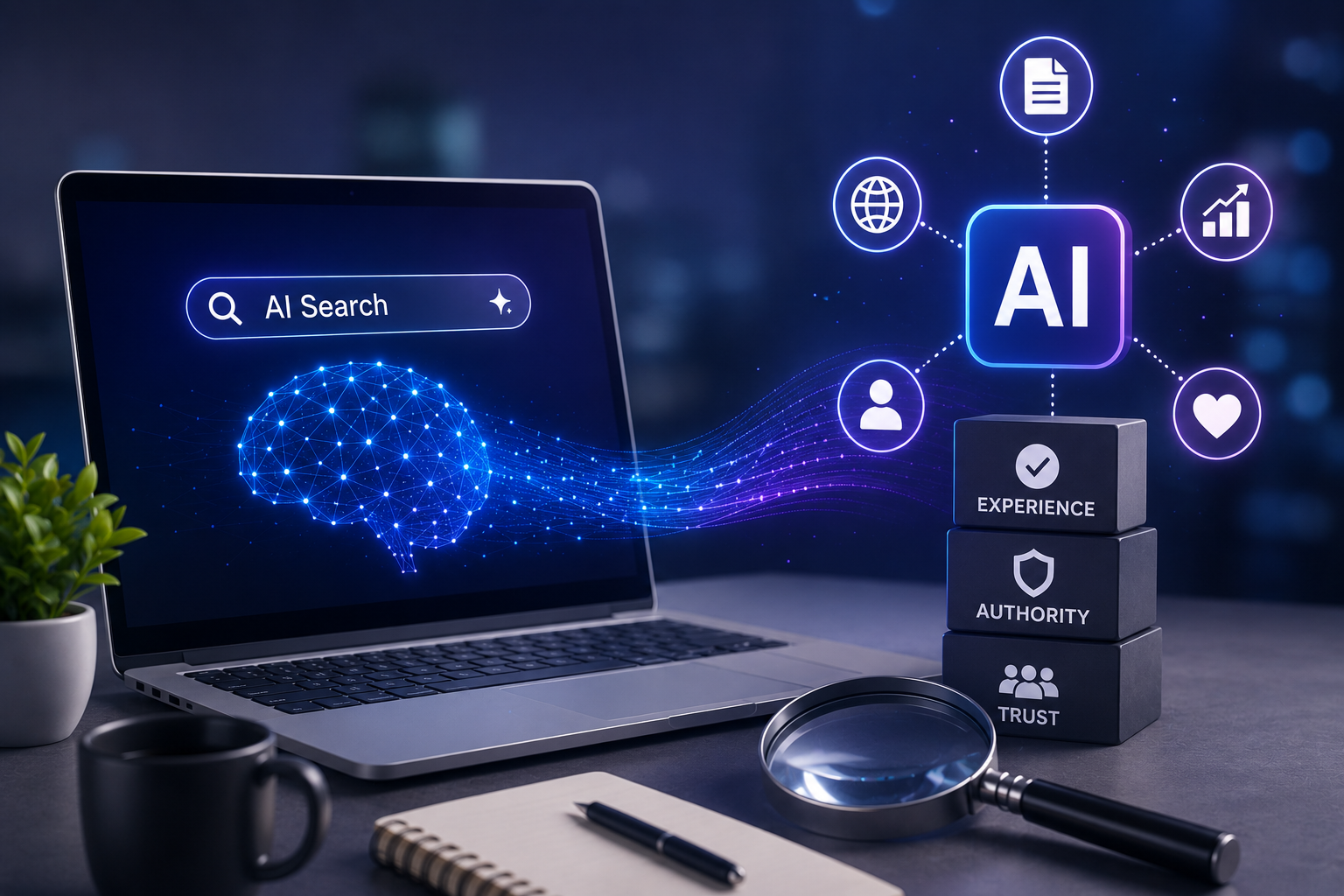
Artificial Intelligence is fundamentally changing how people search online. Instead of browsing through ten blue links, users increasingly receive complete AI-generated answers that summarize information from multiple trusted sources. This shift is transforming traditional SEO into what many experts now call AI Search Optimization (AISO).
Businesses that understand this transition early will have a significant competitive advantage.
From Search Engines to Answer Engines
Modern AI-powered search platforms do much more than index web pages.
They analyze context, compare multiple sources, evaluate credibility, and generate concise answers for users in seconds.
Instead of asking:
"Best CRM software for startups"
Users now ask:
"Recommend a CRM for a SaaS startup with fewer than 20 employees and explain why."
This requires websites to provide comprehensive, trustworthy, and well-structured information rather than simply targeting keywords.
Content Quality Matters More Than Ever
AI systems prioritize content that demonstrates genuine expertise.
High-performing content typically includes:
- Original insights
- Clear explanations
- Real examples
- Updated information
- Well-structured headings
- Helpful visuals
- Reliable references
Publishing dozens of low-quality articles is no longer an effective strategy. A smaller library of authoritative content often performs much better.
Technical SEO Is Still Essential
Although AI is changing search behavior, technical optimization remains critical.
Every website should continue focusing on:
- Fast loading speeds
- Mobile responsiveness
- Clean URL structures
- Secure HTTPS connections
- Structured data
- Optimized images
- Accessibility standards
These fundamentals help both traditional search engines and AI crawlers understand website content more effectively.
Build Topical Authority
Rather than writing isolated blog posts, businesses should create complete knowledge hubs around their expertise.
For example, a web development company might publish related articles covering:
- Laravel development
- React applications
- WordPress optimization
- API integration
- SaaS architecture
- Performance optimization
- AI implementation
- Cybersecurity
This interconnected content signals expertise and increases the likelihood of being referenced by AI search systems.
Human Experience Wins
AI can generate information quickly, but it cannot replace real-world experience.
Businesses should share:
- Case studies
- Client success stories
- Lessons learned
- Performance improvements
- Development challenges
- Practical implementation examples
Original experiences help content stand out from generic AI-generated articles.
The Role of Developers
Developers play an increasingly important role in modern SEO.
Well-built websites improve discoverability by implementing:
- Semantic HTML
- Schema markup
- Fast server response
- Optimized Core Web Vitals
- Crawl-friendly architecture
- Clean metadata
- XML sitemaps
Technical excellence directly supports AI visibility.
Looking Ahead
Search is no longer just about ranking it is about becoming a trusted source that AI systems confidently reference.
Businesses that combine technical excellence, valuable content, and genuine expertise will remain visible regardless of how search technology evolves.
The future belongs to websites that educate, solve problems, and consistently provide reliable information not simply those chasing keywords.
Share this article
Copy the article link and send it to anyone who may find it useful.